Introduction
The Career Opportunities After Learning Revit and construction and engineering industries are rapidly adopting Building Information Modeling technologies to improve project planning, design coordination, and construction management. Revit has become one of the most widely used BIM software applications worldwide. Learning Revit and can open doors to exciting career opportuny for civil engineers, architects, construction professionals, and engineering students.
What is Revit or BIM?
Understanding Building Information Modeling (BIM)
Building Information Modeling (BIM) is a digital process used to create intelligent 3D models that help professionals plan, design, construct, and manage buildings and infrastructure projects more efficiently.
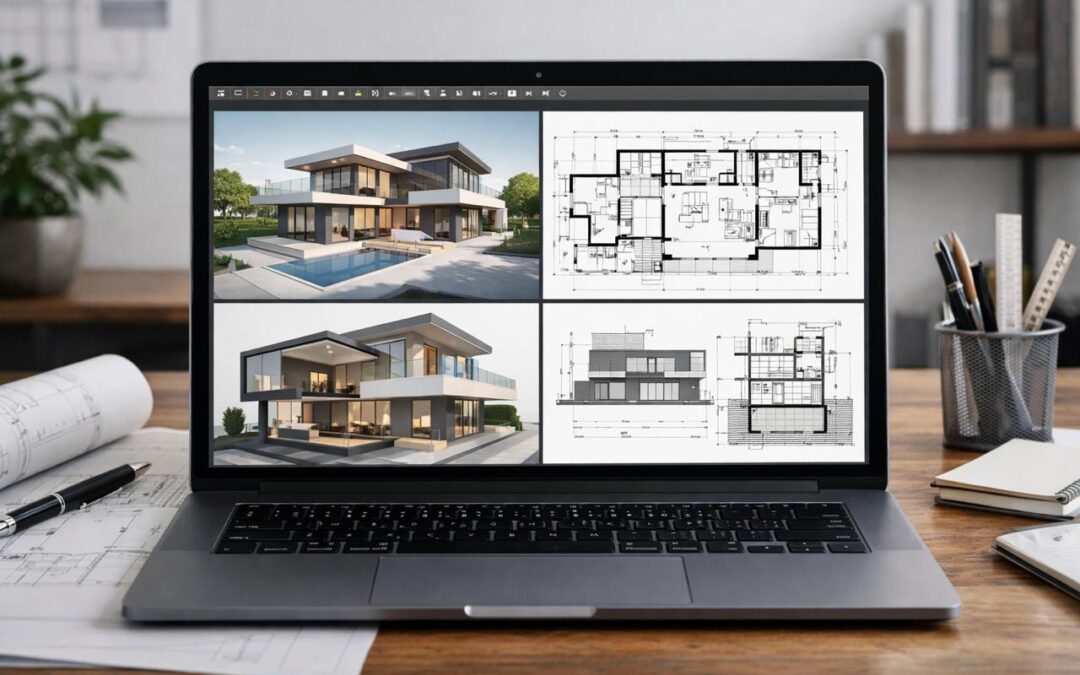
What is Autodesk Revit?
Autodesk Revit is a BIM software platform used by architects, structural engineers, MEP engineers, contractors, and BIM professionals to create detailed building models and construction documentation. Opportunities After Revit
Key Features of Revit
- 3D Building Modeling
- Construction Documentation
- Structural Modeling
- Clash Detection Coordination
- Quantity Take-Offs
- Project Collaboration
Why to Learn Revit
Growing Industry Demand
Many companies now require professionals who understand BIM workflows and Revit modeling. BIM adoption is increasing across construction, infrastructure, and real estate projects.
Benefits of Learnings Revit and BIM
- Better Career Opportunities
- Higher Salary Potential
- Global Industry Demand
- Improved Technical Skills
- Faster Career Growth
- Professional Certification Opportunities
Industries Using BIM Technology
- Construction Companies
- Architecture Firms
- Engineering Consultancies
- Infrastructure Projects
- Real Estate Development Companies
- Government Construction Projects
Opportunities After Revit and
BIM Modeler
A BIM Modeler creates detailed building models using Revit software and collaborates with project teams to develop accurate project information.
BIM Engineer
BIM Engineers manage BIM processes, project coordination, clash detection, and model quality control.
Revit Technician
Revit Technicians prepare architectural, structural, and MEP drawings while maintaining project documentation standards.
Design Engineer
Design Engineers use Revit and BIM software to create project designs, drawings, and technical documentation.
BIM Coordinator
BIM Coordinators ensure collaboration between different engineering disciplines and manage project workflows.
Project Engineer
Project Engineers use BIM tools to monitor project progress, coordinate teams, and improve project efficiency.
Additional Career Roles
- BIM Specialist
- BIM Consultant
- Revit Architecture Modeler
- Revit Structure Modeler
- BIM Manager
- Digital Construction Engineer
Skills Required for BIM Careers
Technical Skills
Professionals should develop:
- Revit Modeling Skills
- BIM Workflow Understanding
- Construction Documentation
- Project Coordination
- Quantity Estimation
- Technical Drawing Interpretation
Soft Skills
Important skills include:
- Communication
- Team Collaboration
- Problem Solving
- Time Management
- Attention to Detail
Continuous Learning
Technology evolves rapidly, making continuous learning and professional development essential for long-term success.
Why Choose CADDECK for Revit and BIM Training?,
Practical Training Approach
At CADDECK Bangalore, students receive hands-on training through practical projects and real-world examples. You can get more Career Options After Learning Revit and BIM
Industry-Oriented Curriculum
Our training programs are carefully designed to meet current industry requirements and BIM standards, ensuring students develop job-ready skills
Placement Assistance
Students receive support with:
- Resume Preparation
- Interview Guidance
- Portfolio Development
- Career Counseling
- Job Referrals
Expert Trainers
Learn from experienced professionals with industry knowledge and practical project experience.
Conclusion
Learning Revit and BIM is one of the best career investments for engineering students and professionals. As BIM adoption continues to grow across the construction and infrastructure sectors, skilled BIM professionals are increasingly in demand. With practical training, industry-focused learning, and placement support, CADDECK Bangalore helps students build successful careers in BIM, Revit, and digital construction technologies.
FREQUENTTLY ASKED QUESTION
A: Building Information Modeling (BIM) is an overall digital process and methodology used to create and manage intelligent 3D models for infrastructure projects. Autodesk Revit is a specific software application designed to help architects, engineers, and construction professionals execute that BIM workflow
A: Skilled professionals can pursue several high-demand roles mentioned in the blog, including BIM Modeler, BIM Engineer, Revit Technician, Design Engineer, BIM Coordinator, and Project Engineer.
Which industries actively hire Revit and BIM professionals?
A: The demand spans across multiple sectors, including construction companies, architecture firms, engineering consultancies, infrastructure project developers, real estate development companies, and government construction projects.
A: CADDECK Bangalore provides a practical training approach with real-world projects and an industry-oriented curriculum. They offer comprehensive placement assistance, including resume preparation, interview guidance, portfolio development, career counseling, and direct job referrals to top companies
A: While a background in civil engineering, architecture, or mechanical engineering (MEP) is highly beneficial and preferred by employers for technical roles, anyone looking to build a career in digital construction or 3D modeling can learn Revit to enter the industry.